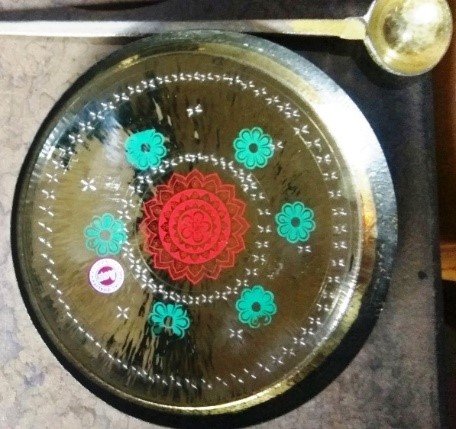
Geographical Indications (GIs) of Goods are a form of industrial property that identifies a product as originating from a specific country or place. This designation typically guarantees that the product possesses certain qualities or a reputation that are inherently linked to its geographical origin. Essentially, when you see a geographical indication, you can expect a certain standard of quality and uniqueness tied to where it comes from.
GIs are recognized as part of Intellectual Property Rights (IPRs) under Articles 1(2) and 10 of the Paris Convention for the Protection of Industrial Property. They are also included in the Trade-Related Aspects of Intellectual Property Rights (TRIPS) Agreement, which was established during the Uruguay Round of GATT negotiations.
India, as a member of the World Trade Organization (WTO), has implemented the Geographical Indications of Goods (Registration & Protection) Act, 1999. This Act came into effect on September 15, 2003, ensuring that products from specific regions in India can be legally recognized and protected for their unique qualities and heritage.
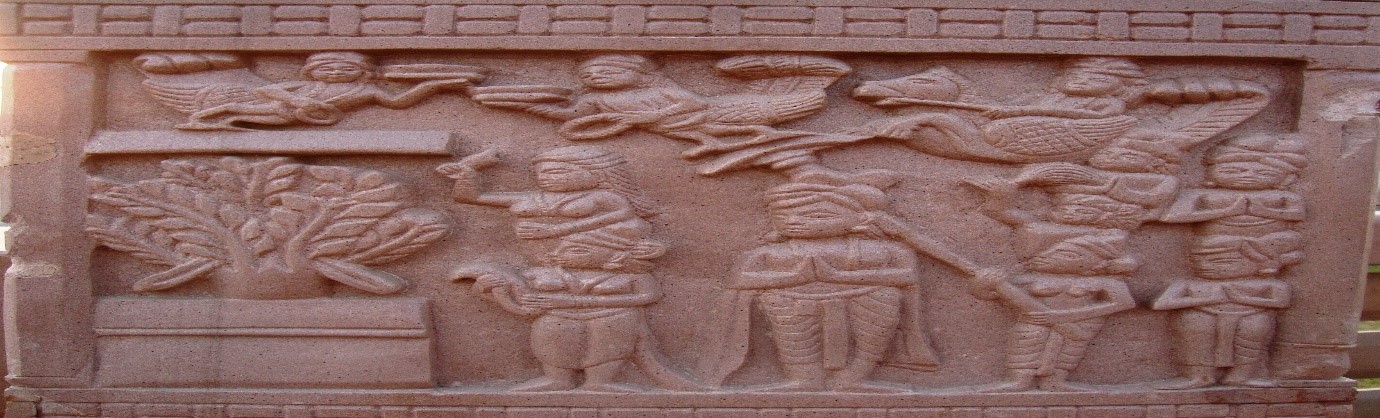
Chunar sand patthar (stone)
GI Registration Number: 557
Banaras Langda Aam (Mango)
GI Registration Number: 716
Banaras Pan (Betal Leaf)
GI Registration Number: 730
Ramnagar Bhanta (Brinjal)
GI Registration Number: 717
contact detail
GI Registration Number: 999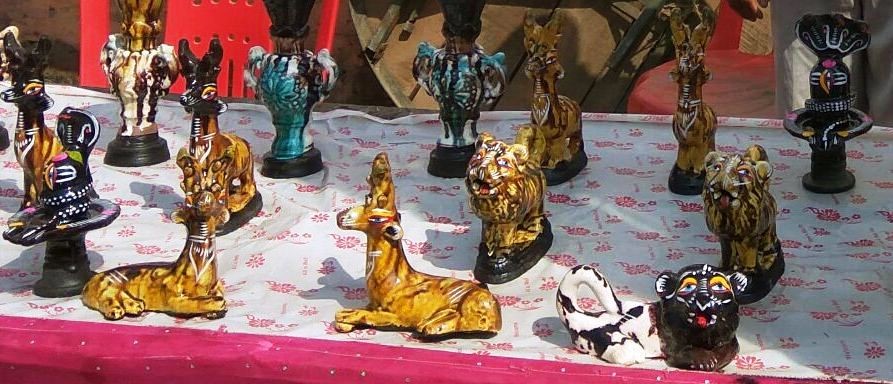
Chunar Glaze Pottery
GI Registration Number: 621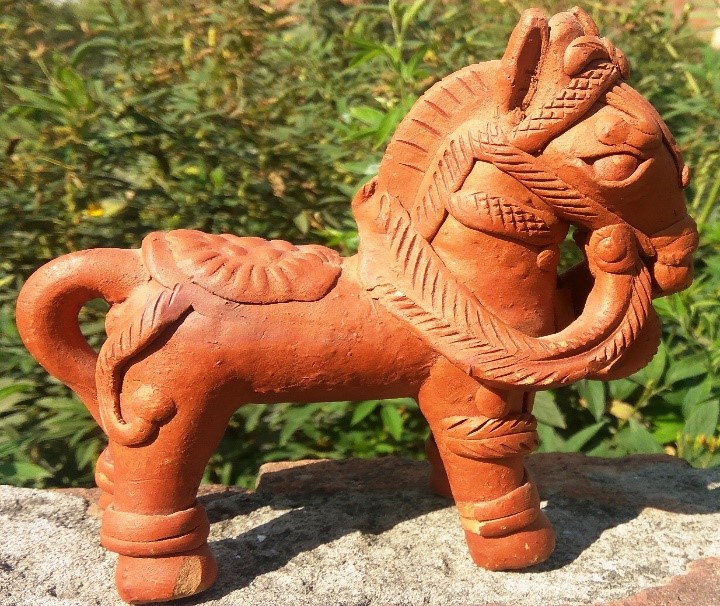
Gorakhpur Terracota
GI Registration Number: 619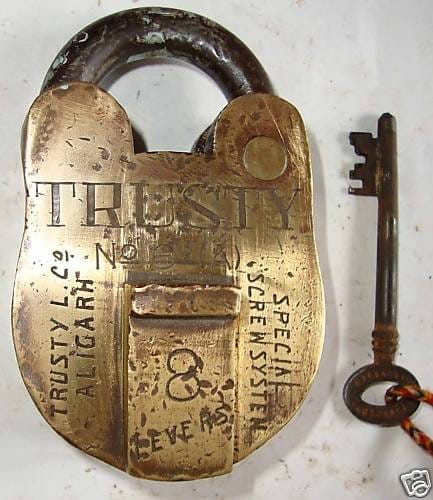
Aligarh Tala (Lock)
GI Registration Number: 664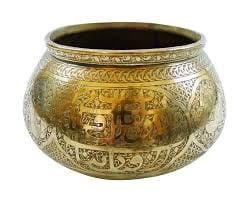
Bhakira Brassware
GI Registration Number: 665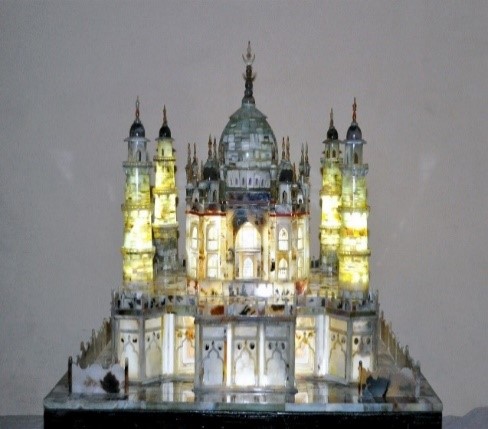
Banda Shazar Pathar Craft
GI Registration Number: 666
Varanasi Glass Beads
GI Registration Number: 177
Banaras Brocades and Sarees
GI Registration Number: 237
Bhadohi Handmade Carpets
GI Registration Number: 148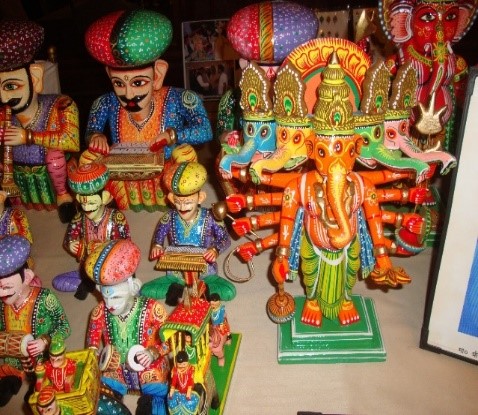
Varanasi Wooden Lacquerware & Toys
GI Registration Number: 457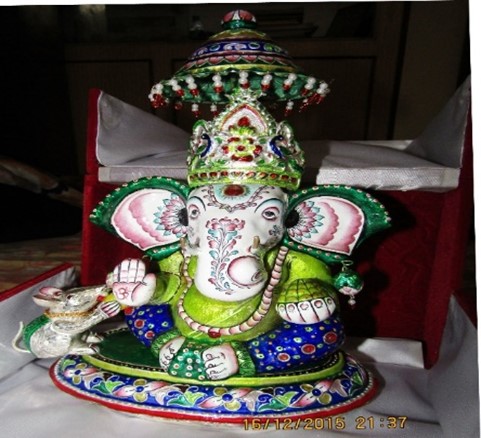
Banaras Gulabi Meenakari Craft
GI Registration Number: 397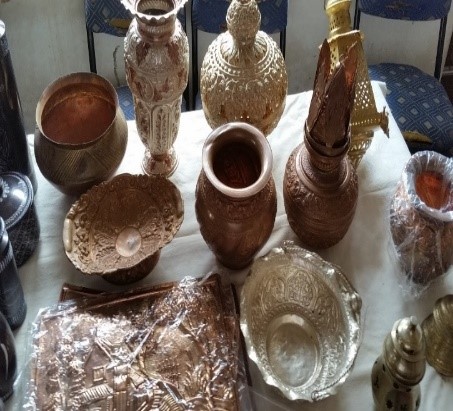
Benaras metal repouse craft
GI Registration Number: 398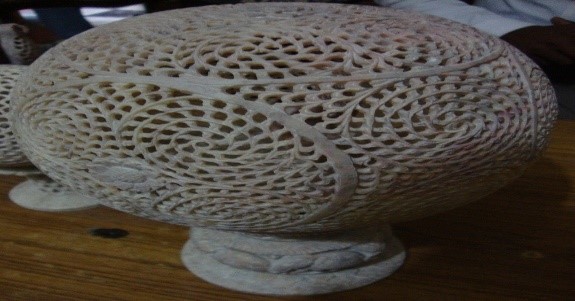
Varanasi Soft stone Jali Work
GI Registration Number: 556
Banaras Zardosi
GI Registration Number: 620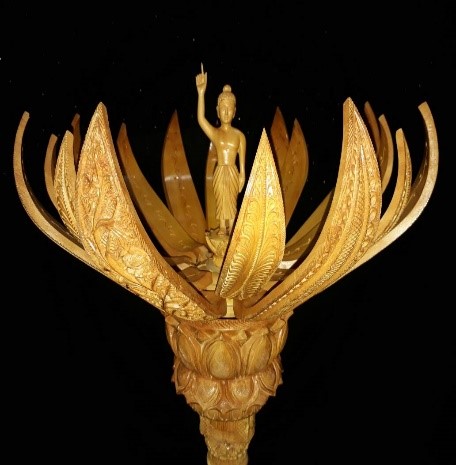
Banaras Wood Carving
GI Registration Number: 623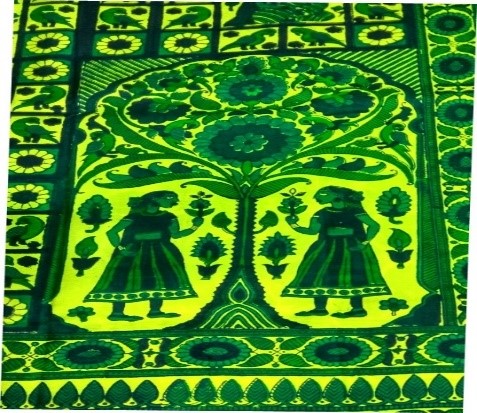
Banaras Hand Block Print
GI Registration Number: 624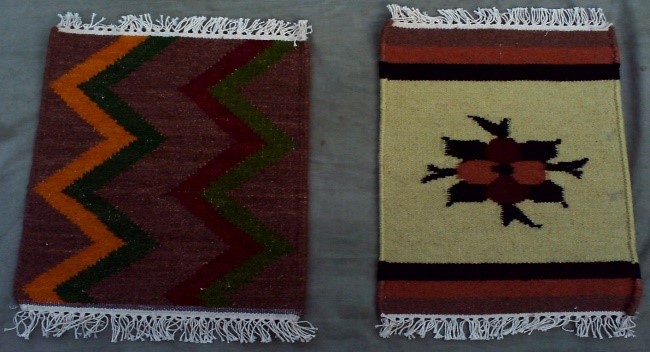
Mirzapur handmade dari
GI Registration Number: 458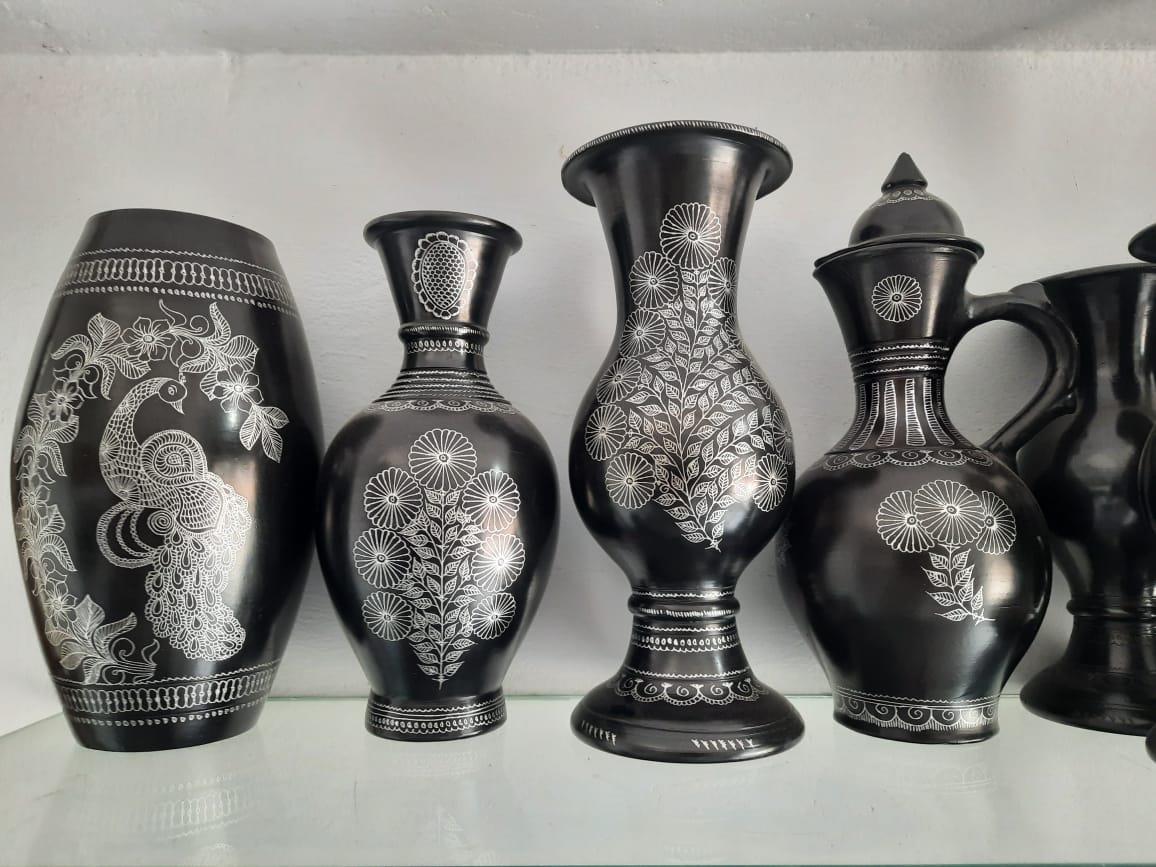
Nizamabad Black Clay Pottery
GI Registration Number: 459